
Eyes on a rolling nose

What are they seeing? Where will they lead us? Physiognomy is the only exact science for an Aesthetic Intelligent – physiognomy of things is a scientist practice.
Taking a taxi, it will never be the same
In memory of the great Ernest Borgnine.
Experience

Online courses are great, we all love them.
But there are sensorial experiences that cannot be replaced, the kind of experiences that will always make a big difference between attending a course and learning. This is why we still need real classrooms, revisited.
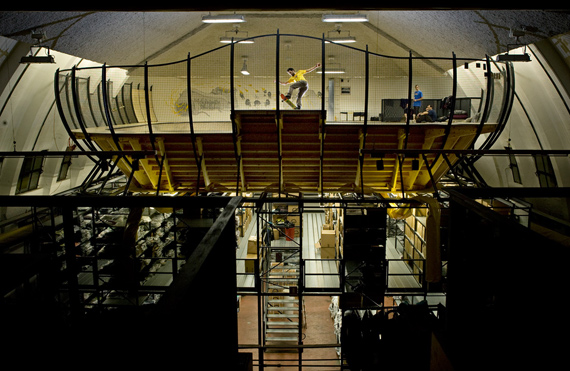
New business
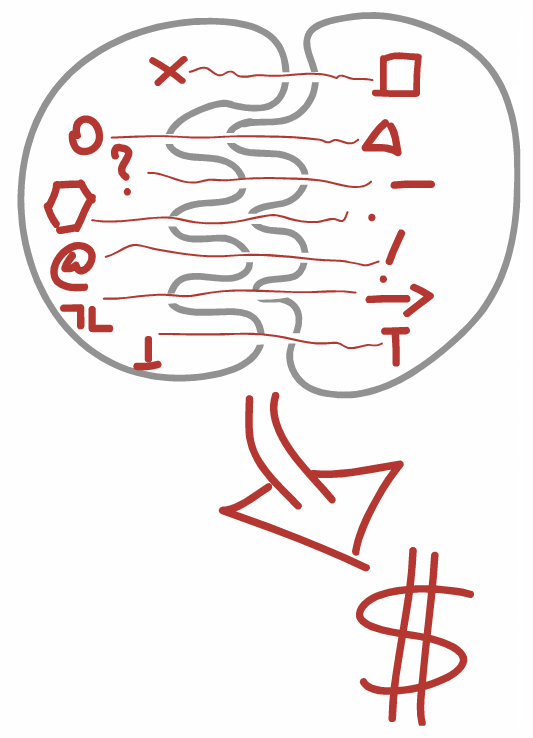
Aesthetic Intelligence doesn’t offer much to “business as usual” activities. Many managers don’t really need to see things in a different way because the are payed by companies that make money with standard products and routine services. But if a company is looking for “new business”, it desperately needs Aesthetic Intelligence.
All crucial achievements in business’ history come from intersections, disciplines crossing, exploration.
Aesthetic Intelligence helps organisations to find “the new” because it teaches us to live on two different levels at the same time and to walk aside unexplored and fruitful opportunities.
Perceptionism
An exercise of perception (Joe’s threshold).
Milano
The way it is:
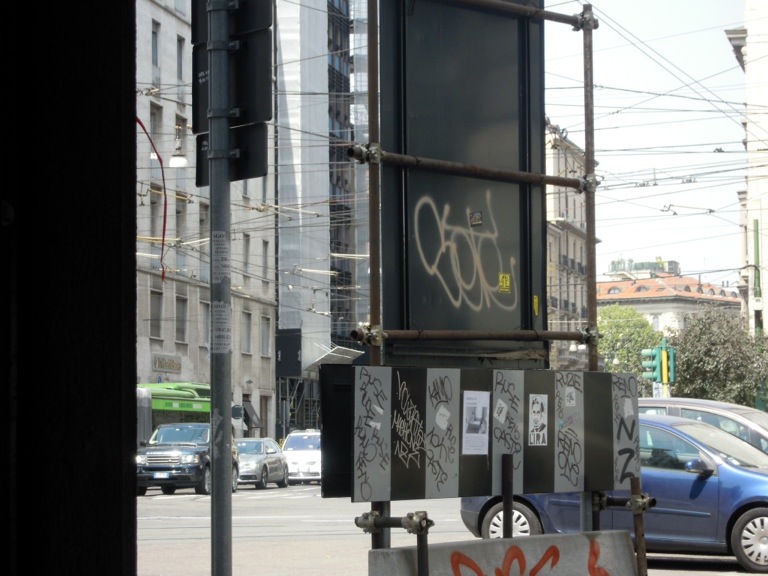
The way it is perceived, today, with generosity:

Restoration
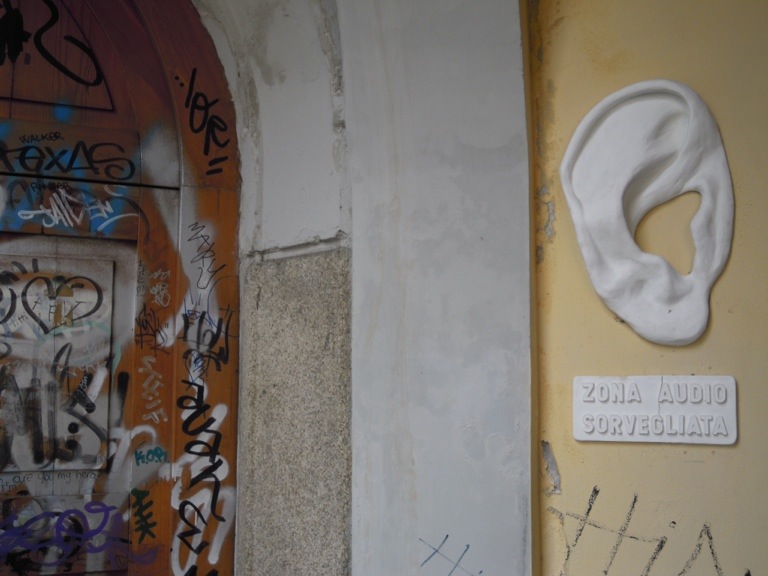
Our Anesthetic Intelligence is at work. Things are falling down all around us – too many young people do not feel uncomfortable with their own unemployment; too many employed people loose their job; too many employers and employees do feel comfortable with their professional alienation; too many human beings do not feel anything at all – but we seem not to sense it, like an out of use ear. We should appreciate every effort to renew our Aesthetic Intelligence, specially if it does not aim to bring us back to the previous comfort. For the kind of changes we have to face, restoration is not the right attitude. On the contrary, to abandon our usual perception standards (soaked with anesthetic) could surely help us to avoid any useless nostalgia.
Shaping the future

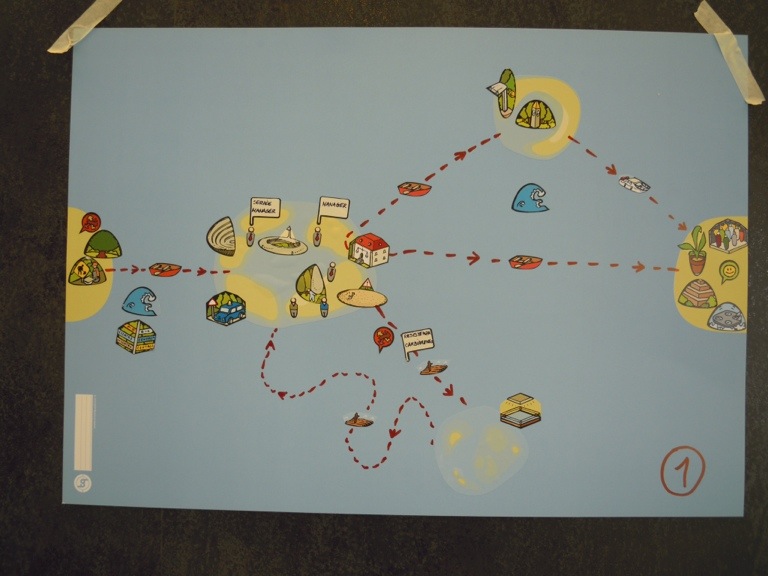
Maps are arguably the best tool to understand the past and to shape the future. The past is a foreign country (L.P. Hartley), that’s why we need to understand it; the future is an amorphic territory, that’s why we need to shape it. Trivioquadrivio’s MAPPS is in action today in Milan, to help a large group of managers to build a shared road map to design organisational change.
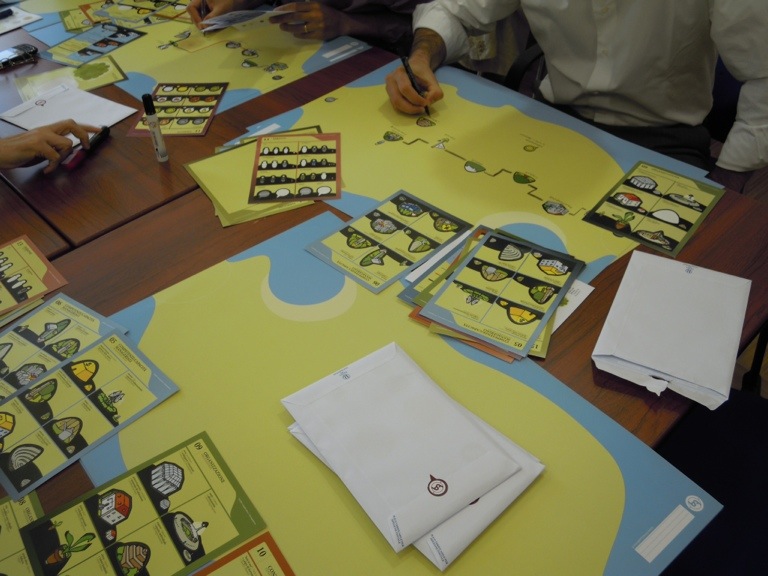
Where will we end by 5 o’clock?
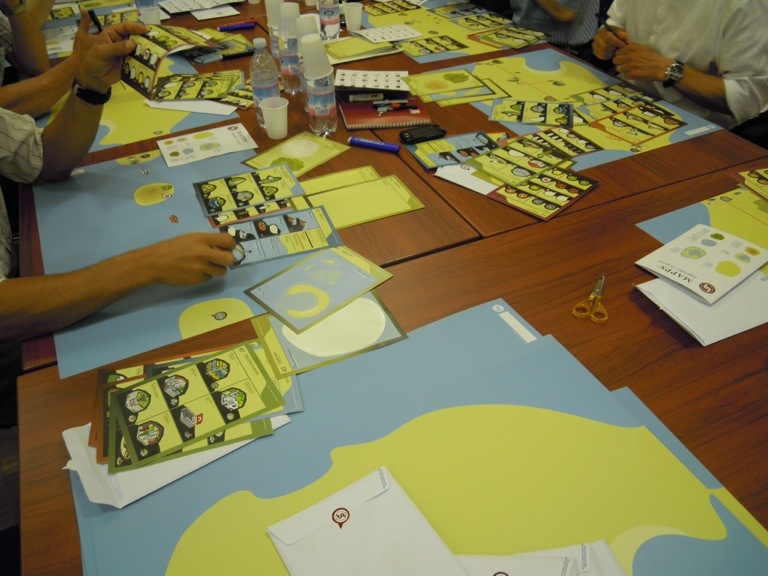
The past is the starting point: where do we come from as a business unit and how did we get here as a group of colleagues? Points of view are different and differences are valuable, when we need to share decisions.


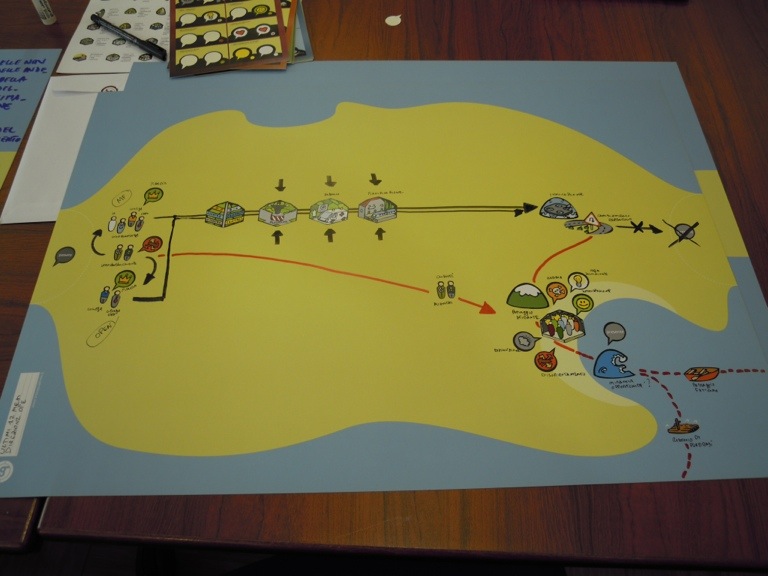
Then comes the future: how do we perceive it? What are the most relevant threats/opportunities? And the main obstacles/triggers that stop/facilitate our aims? Once again, value percolates from diversity.

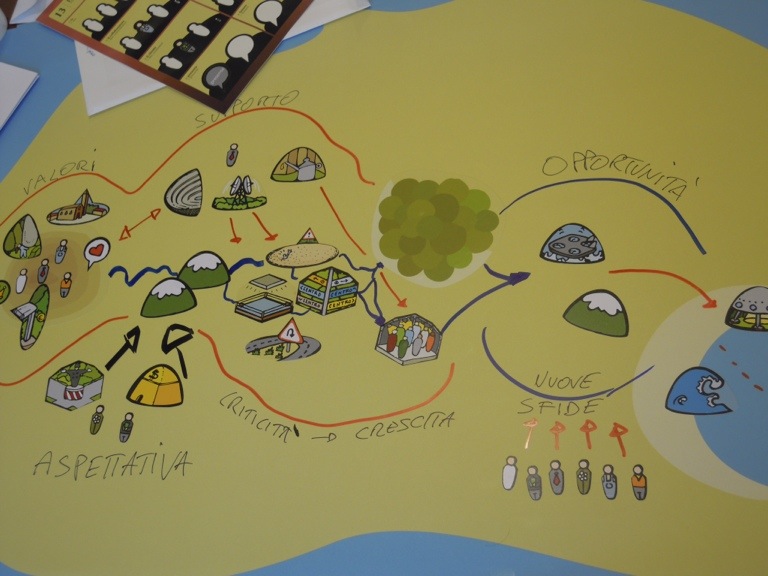
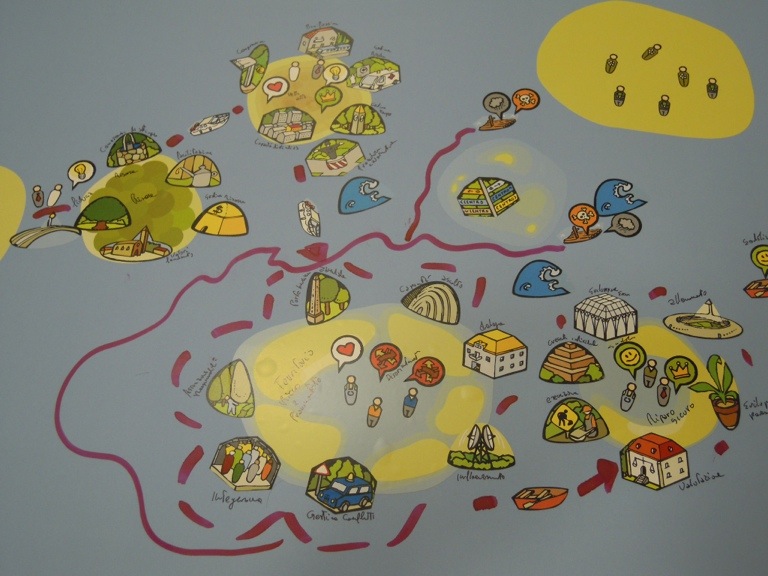
Finally it’s the group map: 60 people generate 6 different maps to tell the same story, which is never exactly the same…
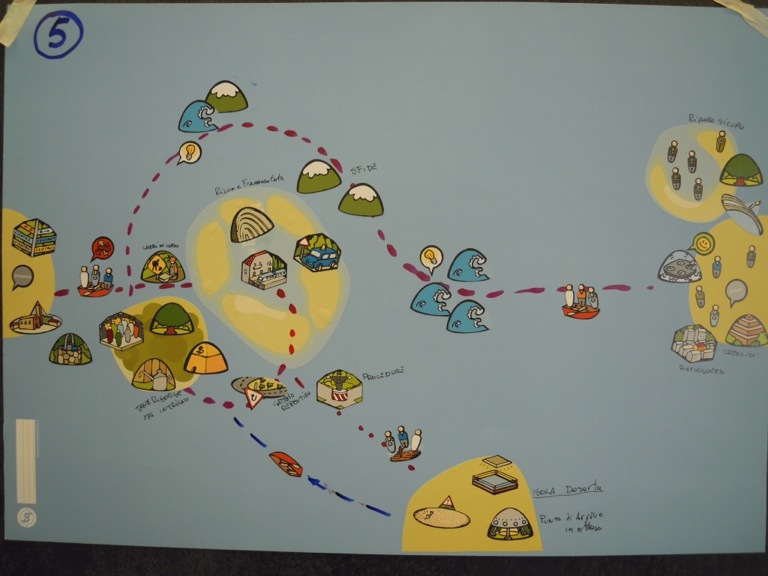
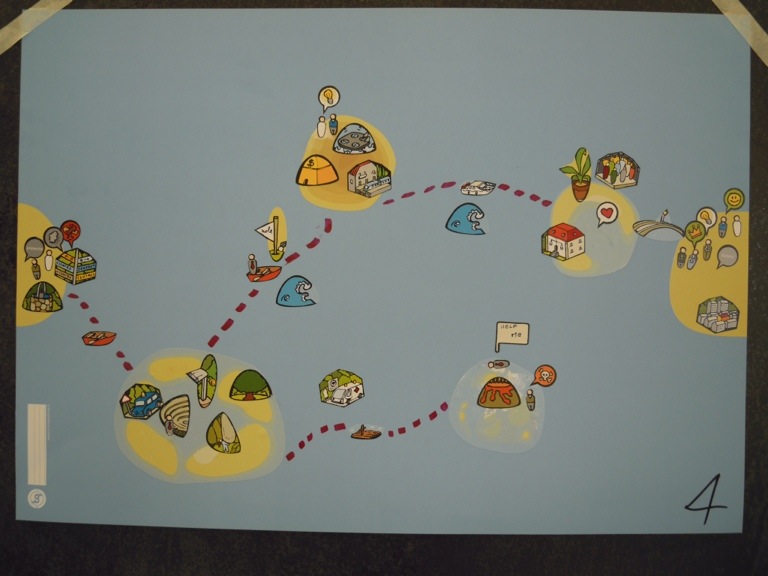
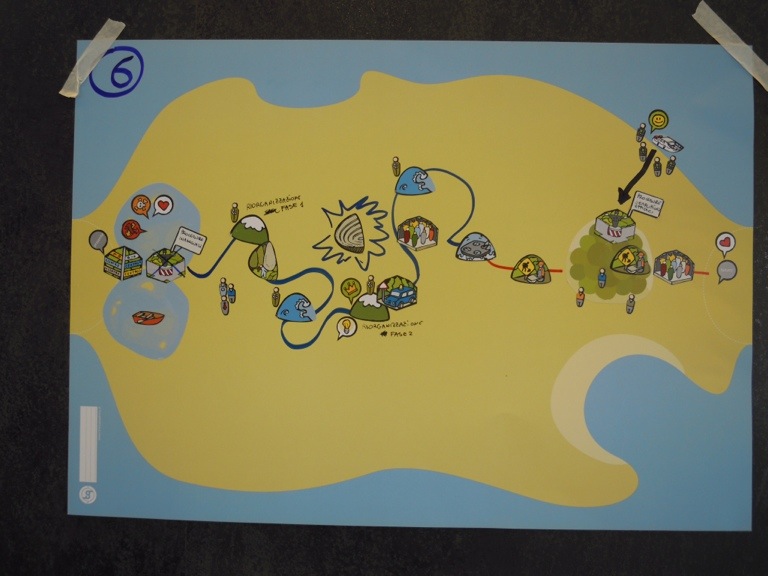

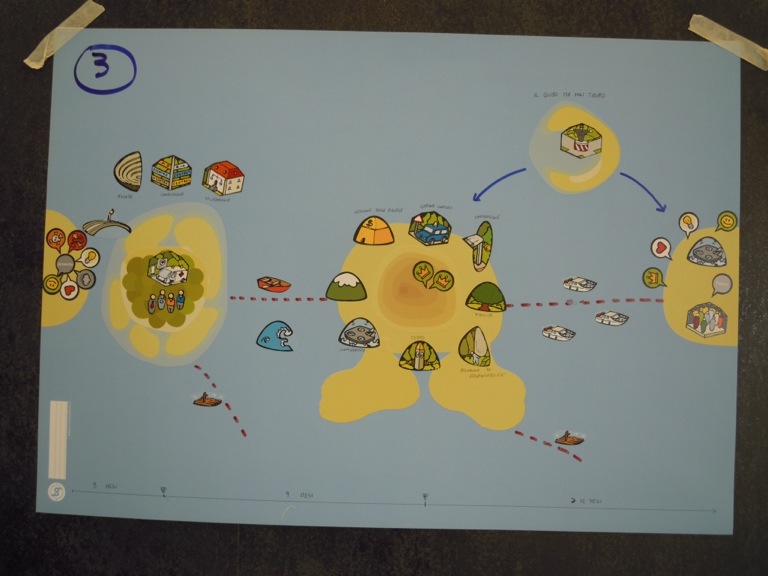
The final step is the plenary map, an Organisational Google Earth that helps participants to see what they mean, to shape what they want.

Taking risks

We should carefully consider the responsibility of perception. When we perceive, we decide: we never innocently pose our senses upon the world, as soon as we perceive we superimpose our Aesthetic strategy, wich is our way of being. Heinz von Foerster use to say it very simply: “When we offer an indecent image to someone’s attention and we ask for a comment, we receive back some precise information about this person’s way of seeing and no information at all about the image itself”. Beauty doesn’t help our responsible engagement. Beauty often seems perfect in its closure and we don’t dare to add any further element. Aesthetic Intelligence is based on this bravery: we have to take risks, if we want to live the world. Appropriation could lead to disharmony but it is always better than a nice postcard.

Visions and value

In the middle of the first edition of the “Welcome Program” of a huge Italian multinational, Rome (I’m here as internal auditor).
Visual metaphors are a strong business tool but scientific management does not like images and managers do not feel comfortable with visual metaphors. To bring back this business tool in our businesses we need to improve our perception and representation skills. As soon as we let people express themselves with images, beauty spreads value within the organisation and young employees foster their engagement.

Sponsored by

Aesthetic Intelligents


 Aesthetic Intelligence