
Ebooks

There is little doubt, ebooks are rapidly bringing back reading to its original social nature. The absence of any space between written words obstructed silent reading until 1140, when Hugh of St. Victor’s Didascalicon suddenly introduced words’ separation. Since than reading became a private activity, something to enjoy alone. As Ivan Illich wonderfully showed in its In the Vineyard of the text, this private nature of reading is not only inauthentic and recent but it also turns us away from the potential conviviality that any book guards. We have to look with extreme care at Kindle’s social annotation, the fastest and easiest way to network our passions and to rebuild a better social wisdom.
Hope there will be a chance to keep this in mind, while we build Bookcity Milano.
Running out of focus
To grab what we are looking for we have to run out of focus. As long as we concentrate on what we recognize, we’re stuck on what we know – that’s why we need art.
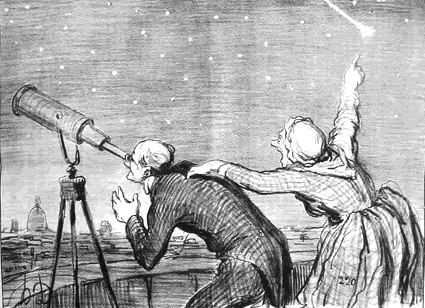
(print by Honoré Daumier)
A different kind of teaching, a better kind of learning
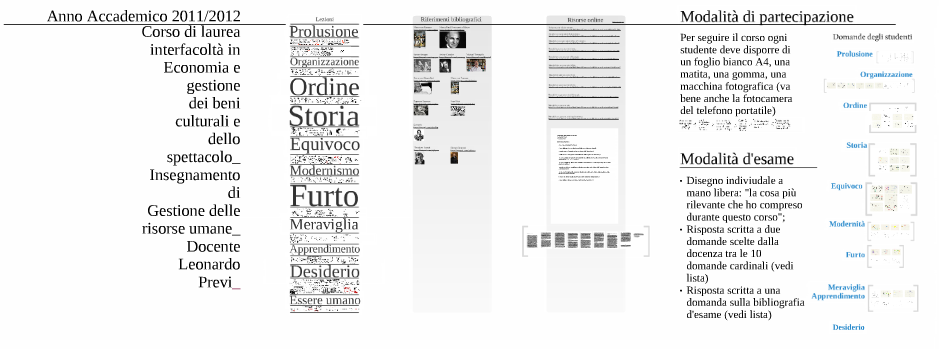
Here is the final Prezi’s update of my Human Resources Management course at Università Cattolica. It is in Italian, but the drawings aren’t. It has been a very interesting experiment, based on the learning benefits of Aesthetic Intelligence. The experiment will continue next year.
London Calling
Clashing the Olympics is good for senses.
The easy way

It doesn’t take much to perceive reality the different way. We continuously use our senses to transform things aesthetically. This is how art happens because art can be very simple and powerful, like Bansky’s easy way.
Elsewhere
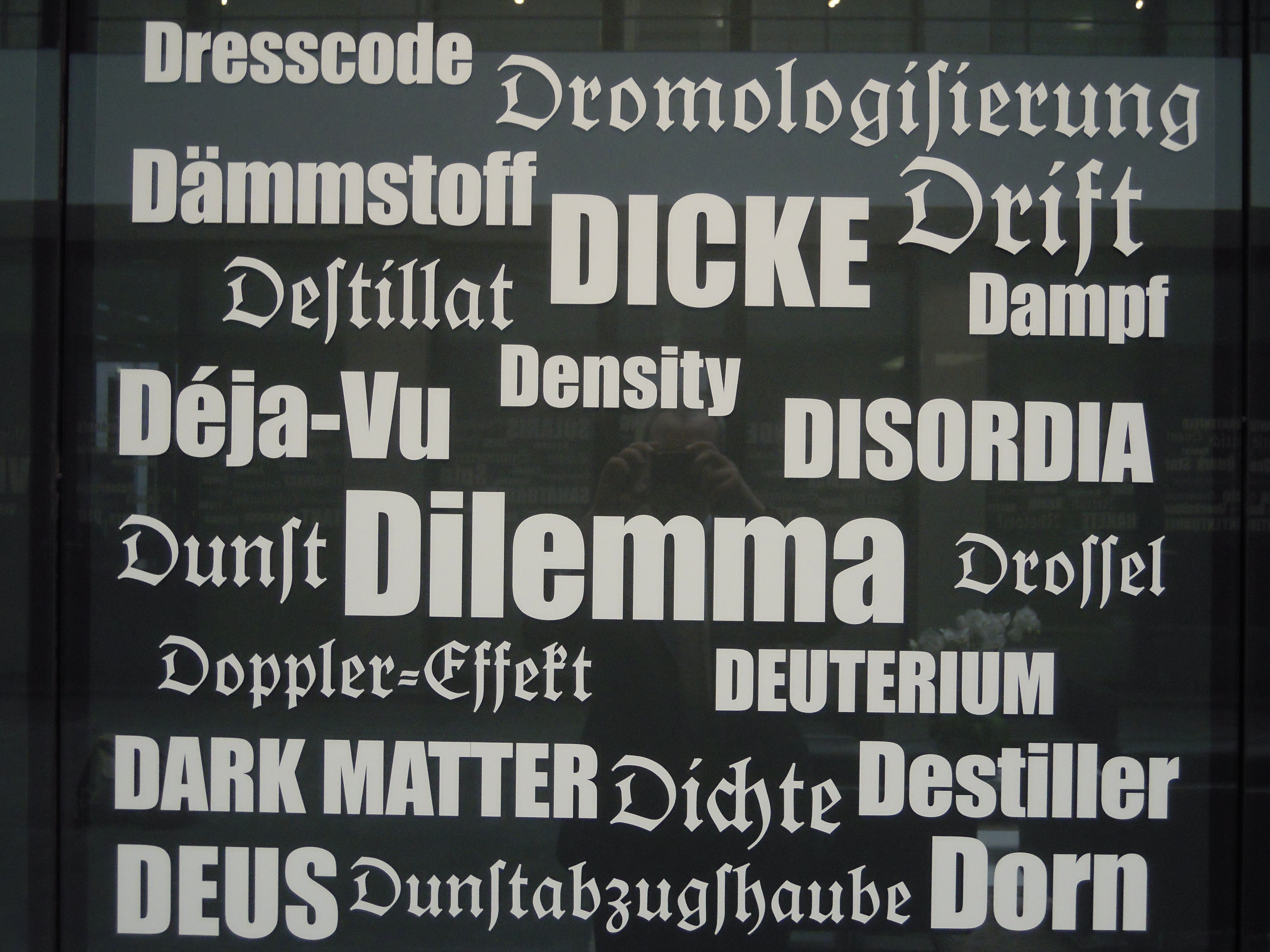
Business trips are not made for perceptions: focus is elsewhere and business’ goals absorb the whole attention. Nevertheless while we travel our Aesthetic Intelligence is at work. And we can’t help it: elsewhere is always seductive, despite its aspect.

Berlsusconce again
Lack of memory means lack of Aesthetic Intelligence. To distinguish between opportunities and threats we need to integrate experiences and intuition, remembrance and insights. As champions of Aesthetic Intelligence applications, hunters keep trace of their perceptive experiences very carefully: good perceptions make the difference between a supper and a fast. Hunters can’t afford to mistake the footprint reading, if they don’t want the footprint’s owner to assault them from behind. Exactly like hungry and fearful hunters, Italians will soon have the opportunity to apply their recent memories to the unmistakable trace of bestiality, to prevent another beasts’ assault from behind.
Smart and stupid
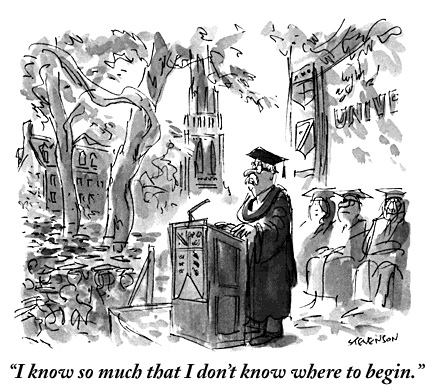
French director Francois Truffaut use to highlight the importance to close almost entirely the window, if you want to direct a movie. These are the days of smart people, with small windows and prompt claims: fast, connected, effective. Some experiences fit perfectly with these people, some others don’t. Aesthetic Intelligence is based on the value of questions and doesn’t necessarily appreciates readiness. Aesthetic Intelligence isn’t very smart, neither it is stupid.
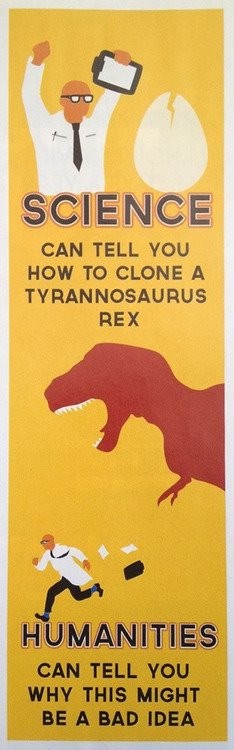
Here is the original New Yorker feature where the above clever picture comes from.
Sponsored by

Aesthetic Intelligents


 Aesthetic Intelligence